13 November 2026
Tackling Bathroom Mold: When to Clean and When to Fix the Moisture Problem
Presented by @thedamproom
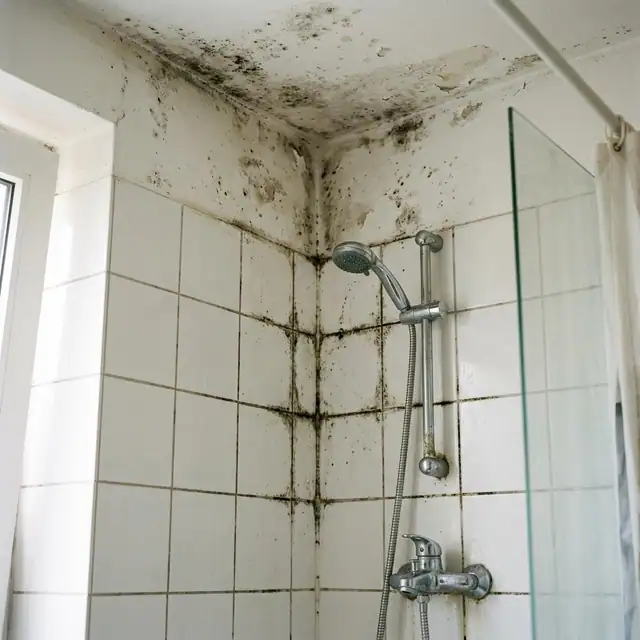
Bathroom mold is a persistent problem that many homeowners face. You might notice dark spots on the grout, a musty smell near the shower, or peeling paint on the ceiling. The immediate reaction is often to scrub it away with a cleaner. But scrubbing alone rarely solves the issue for long. The mold returns, sometimes within weeks. This cycle points to a deeper question: should you focus on cleaning the surface mold, or is it time to address the moisture source that feeds it?
Understanding the difference between these two approaches is key to effective bathroom mold remediation. Surface cleaning addresses what you can see, while fixing the moisture source tackles the root cause. Both have their place, but knowing when to use each can save time, effort, and frustration. This article breaks down the trade-offs and helps you decide the right path for your situation.
Cleaning Surface Mold: What It Does and What It Misses
Surface mold cleaning involves using a cleaner, often a bleach solution or a commercial mold remover, to wipe away visible growth. This approach is straightforward and can be done quickly. It works well for small, isolated patches that have not yet caused damage to the underlying material. For example, if you spot a small patch of mold on the caulk around the sink, a thorough cleaning might be enough to restore the area temporarily.
However, surface cleaning has significant limitations. Mold roots itself into porous surfaces such as grout, caulk, drywall, and wood. Scrubbing the surface removes the visible spores but leaves the roots intact. Given the right conditions, the mold will regrow. This is why you might find yourself cleaning the same spot repeatedly. Surface cleaning also does nothing to address the humidity or water leakage that allows mold to thrive in the first place. If the underlying moisture problem persists, you are essentially treating a symptom without curing the disease.
Another consideration is that some cleaning products can be harsh on bathroom surfaces. Bleach, for instance, can discolor grout and damage caulk over time. It may also release fumes that are unpleasant to breathe. While effective for a quick fix, repeated surface cleaning is not a sustainable strategy for bathroom mold remediation.
Fixing the Moisture Source: The Long-Term Solution
The real key to preventing mold growth is controlling moisture. Mold needs water, warmth, and a food source to grow. In a bathroom, moisture comes from showers, baths, leaks, and condensation. If you can eliminate or reduce the moisture, you remove the conditions that mold needs to survive. This is where fixing the moisture source becomes the more durable approach.
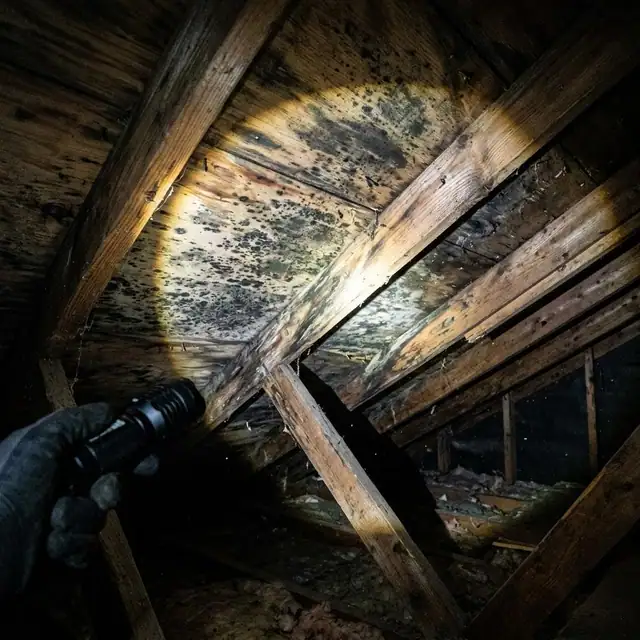
Common moisture sources in bathrooms include leaking pipes, faulty shower pan liners, dripping faucets, and inadequate ventilation. A slow leak behind a wall can saturate drywall and framing, creating a hidden breeding ground for mold. Similarly, a bathroom exhaust fan that vents into the attic rather than outside can push moist air into hidden spaces, leading to mold problems that are hard to detect until they become severe.
Addressing these issues often requires more work than a simple cleaning. It might involve repairing a leak, resealing a shower, installing a better ventilation fan, or even replacing water-damaged materials. This work can be disruptive and may require professional help. But the payoff is that once the moisture source is fixed, the mold problem often resolves itself. The surface may still need a final cleaning, but the regrowth is halted.
When to Clean and When to Fix
So how do you decide which approach suits your situation? The answer depends on the extent of the mold, the condition of the moisture source, and your goals for the space.
Surface cleaning works best when:
- The mold patch is small and isolated.
- The underlying surface is in good condition, such as intact grout or caulk.
- You are addressing a temporary issue, like mold after a particularly humid week.
- You are preparing for a deeper repair and need a clean surface to work on.
Fixing the moisture source is needed when:
- The mold keeps returning after cleaning.
- You find mold on porous materials like drywall or wood.
- There is a visible leak, persistent dampness, or condensation.
- The bathroom has poor ventilation, such as a weak fan or no window.
- You are planning a renovation and want to prevent future mold.
In many cases, a combination of both strategies is the most effective route. You might clean the visible mold first, then investigate and repair the moisture issue. For example, if you notice mold around the base of a shower, you could clean the grout and then check the caulking for gaps. If the caulk is failing, replacing it can prevent water from seeping behind the tiles. This integrated approach is a hallmark of thorough bathroom mold remediation.
The Role of Professional Help
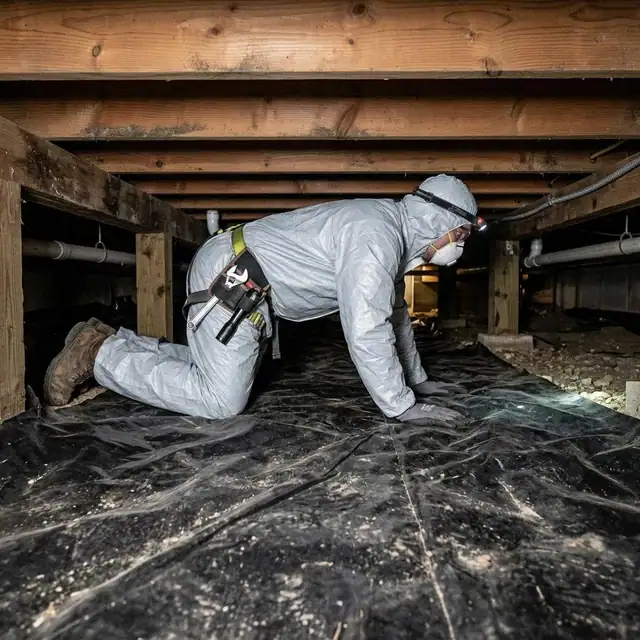
Some moisture problems are straightforward enough for a homeowner to tackle. Replacing a worn-out showerhead gasket or cleaning a vent cover is doable with basic tools. But other issues, such as a leak inside a wall or a failing shower pan, require expertise. This is where professionals come in. They can identify hidden moisture sources, assess the extent of damage, and recommend the right repairs.
For those in the Boston area, Mold Removal Boston Pros offers services that address both visible mold and the underlying moisture problems. Their approach includes inspecting for leaks, checking ventilation, and repairing damaged materials. This comprehensive method ensures that the mold does not come back after the cleaning is done. Many homeowners find that investing in professional remediation saves them from repeated cleaning cycles and costly repairs down the line.
Practical Steps You Can Take
Whether you decide to clean the surface or fix the moisture source, there are practical steps you can take to improve your bathroom's condition. First, improve ventilation. Run the exhaust fan during and for at least 15 minutes after a shower. If your bathroom lacks a fan, consider installing one or opening a window. Second, check for leaks regularly. Inspect the area around the toilet, under the sink, and along the shower base for signs of water. Third, keep surfaces dry. Wipe down the shower walls and floor after use to remove standing water. These habits reduce the moisture load and make mold less likely to take hold.
When you do clean, use a product designed for mold removal. Avoid mixing cleaners, as this can create harmful fumes. Wear gloves and a mask to protect yourself from spores. For stubborn mold on grout, a stiff brush can help. But remember, if the mold returns quickly, cleaning alone is not enough. That is a signal that the moisture source needs attention.
When to Call a Professional
If you suspect a hidden leak, or if the mold covers a large area, professional help is wise. Mold can cause structural damage and affect indoor air quality. A specialist can perform a thorough inspection, use moisture meters and borescopes to find hidden problems, and recommend a course of action. For major issues, they might need to remove and replace drywall, insulation, or flooring. This level of work is beyond typical DIY skills and tools.
Mold Removal Boston Pros handles these complex cases. Their team assesses the entire bathroom environment, from the ventilation system to the plumbing. They then create a plan that addresses both the visible mold and the root cause. This integrated approach is what sets professional remediation apart from a simple cleaning. It is an investment in the long-term health of your home.
In summary, the choice between cleaning surface mold and fixing the moisture source is not an either-or decision. It is a matter of understanding the situation and applying the right solution. For small, occasional spots, cleaning may be enough. For recurring mold or visible damage, fixing the moisture source is the only way to achieve lasting results. By combining good habits, timely repairs, and professional help when needed, you can keep your bathroom mold-free and healthy.